
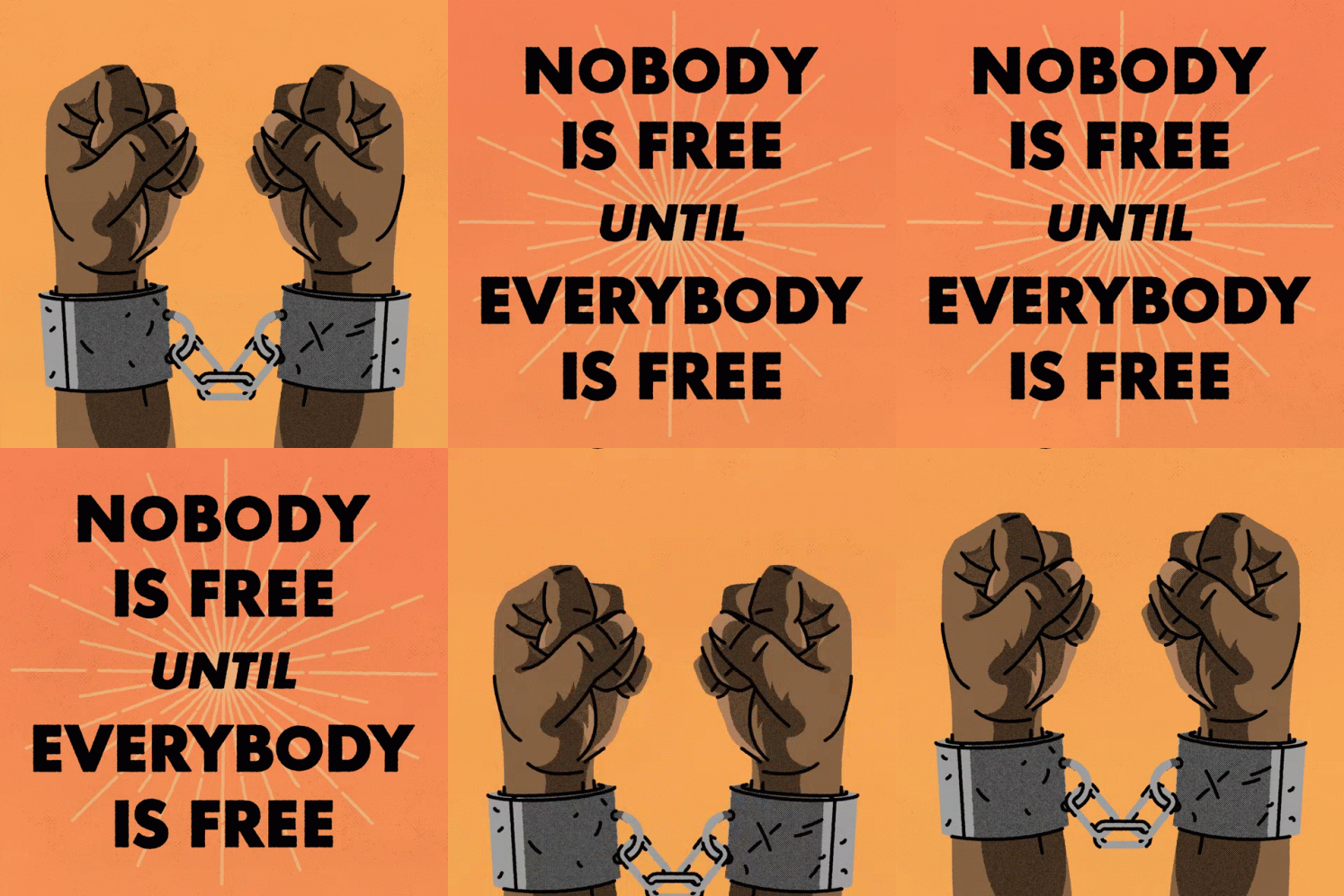
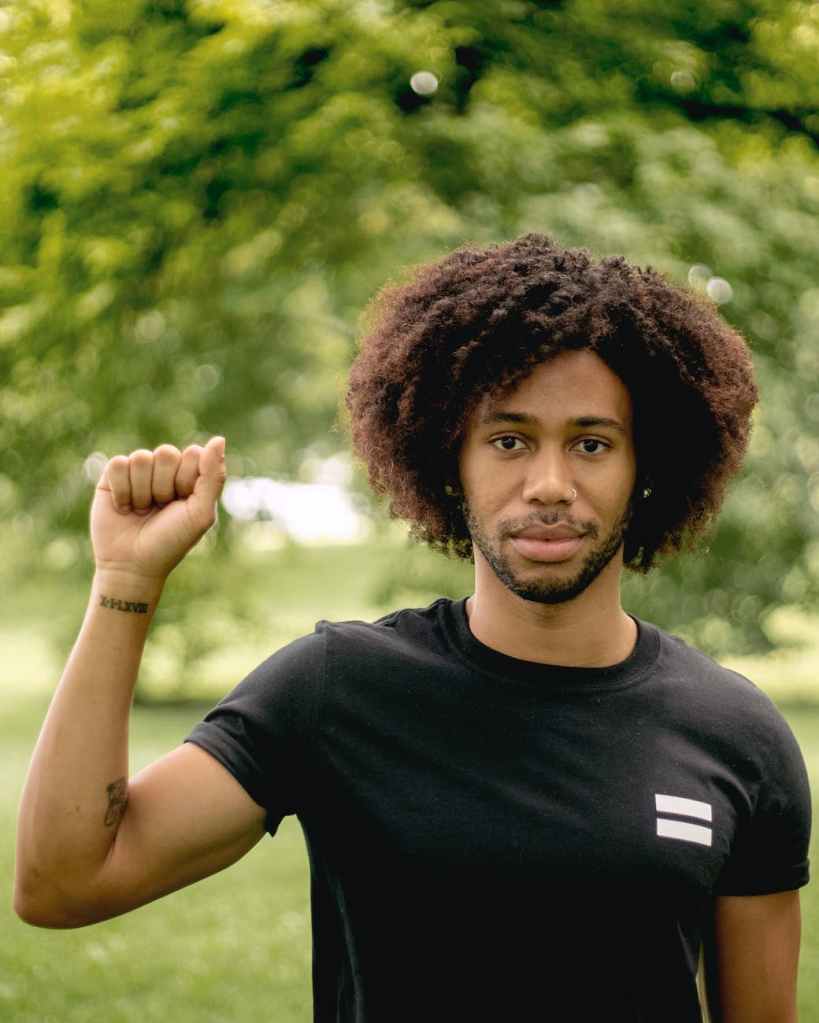
The right to vote is a cornerstone of democracy, an emblem of the freedom and equality upon which the United States was founded. It is a right that signifies participation, representation, and the voice of the people in shaping their government and society. However, recent opinions, such as that of Nebraska Attorney General Mike Hilger, suggest that this fundamental right should be suppressed for Nebraska citizens, a stance that is deeply troubling and contrary to the principles of justice and habilitation.
Returning Citizens Reintegration Day
February 1, 2024, was proclaimed as “Returning Citizens Reintegration Day” by Nebraska Governor Jim Pillen. The proclamation was made in conjunction with Nebraska becoming the fourth state to the national reentry initiative, Reentry 2030. Nebraska Attorney General Mike Hilger’s opinion contravenes and totally undermines the governor’s proclamation because the signature issue or exhibit A issue that defines a citizen’s reintegration is their right to vote.
The Principle of Habilitation and Reintegration
One of the primary purposes of the criminal justice system is habilitation. When individuals are released from prison after serving their sentences, it signifies that they have paid their debt to society. Denying them the right to vote undermines the concept of habilitation and reintegration into society. It sends a message that no matter how much one strives to change, certain rights remain perpetually out of reach. This is not only demoralizing but also counterproductive to the goals of habilitation.
Voting Rights as a Measure of Citizenship
Voting is more than just a right; it is a measure of citizenship and belonging. When Nebraska citizens are stripped of this right, they are essentially told that they are second-class citizens. This disenfranchisement creates a permanent underclass, excluded from participating in decisions that affect their lives and communities. This exclusion can foster feelings of alienation and resentment, which are detrimental to the individual’s reintegration and the health of the community at large.
The Impact on Communities
Suppressing the voting rights of Nebraska citizens disproportionately affects communities of color (akin to the Jim Crow Era) and poor populations. These groups are already overrepresented in the criminal justice system, and additional disenfranchisement exacerbates existing inequalities. It is a form of systemic discrimination that perpetuates cycles of poverty and marginalization. When a significant portion of a community is barred from voting, it weakens the political power of that community, leading to policies that may not reflect its needs and interests.
The Argument of Public Safety
Some argue that allowing citizens convicted of past felonies to vote poses a threat to public safety. However, there is no evidence to support this claim. In fact, studies have shown that civic engagement, including voting, is associated with lower recidivism rates. When individuals feel that they have a stake in society and that their voices matter, they are more likely to adhere to laws and contribute positively to their communities. Denying voting rights, therefore, not only lacks justification but also undermines public safety by increasing the likelihood of reoffending.
The Moral Argument
From a moral standpoint, the suppression of citizens’ voting rights is indefensible. It is a violation of human rights and dignity. Every person, regardless of their past mistakes and or felony conviction, deserves the opportunity to participate in the democratic process. Redemption and second chances are fundamental values in our society. By denying voting rights, we are not only punishing individuals beyond their sentences but also denying them the opportunity to fully reintegrate and redeem themselves.
The Legal Perspective
Legally, the suppression of ex-felons’ voting rights can be challenged on constitutional grounds. The 14th Amendment guarantees equal protection under the law, and the Voting Rights Act aims to prevent class discrimination in voting. Disenfranchisement laws often disproportionately affect minorities, thereby conflicting with these legal protections. Additionally, some states have already recognized the injustice of these laws and have moved to restore voting rights to their citizens, setting a precedent for others to follow.
Conclusion
The opinion of Nebraska Attorney General Mike Hilger issued on July 17, 2024, advances the proposition that only the Nebraska Board of Pardons can restore the right to vote to Nebraska citizens who have completed their sentences for felony conviction. This opinion seeks to suppress Nebraska citizen’s right to vote via LB 20 (2024) and its predecessor LB 53 (2005) is not only unjust but also detrimental to the principles of democracy, habilitation, and equality. It perpetuates systemic inequalities, alienates nearly 60,000 Nebraska citizens from society, and undermines public safety.
Instead of stripping Nebraska citizens of their rights, we should be working towards a more inclusive and just society where every individual, regardless of their past, can contribute and have their voice heard. It is time to embrace policies that support full reintegration of Nebraska citizens and uphold the fundamental democratic values of Nebraska and the nation. JustUs15vote stands in opposition to the Nebraska Attorney General’s opinion that seeks to suppress Nebraska Citizens’ right to vote.


 justus15vote